פרוכות לארון קודש
Parochet LeAron Kodesh BeYerushalayim (פרוכת לארון קודש בירושלים): Choosing an Ark Curtain for a Jerusalem Synagogue
What a פרוכת לארון קודש בירושלים means for the city's synagogues, and how style, fabric, and symbolism shape the right choice.
מערכת ארגמן · 14 בנובמבר 2026 · 5 דק׳ קריאה
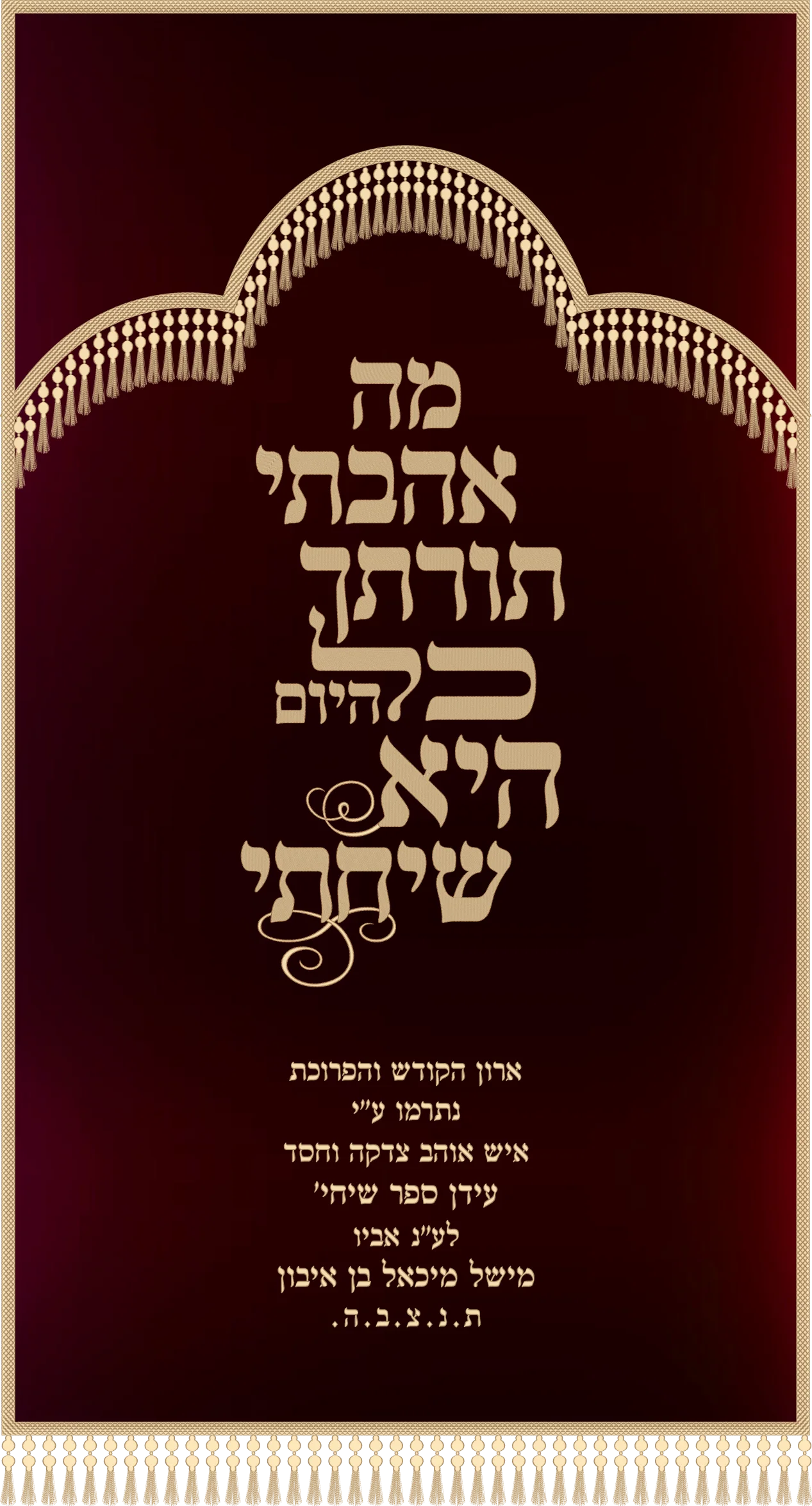
A פרוכת לארון קודש בירושלים is the embroidered curtain hung on or inside the Torah ark of a Jerusalem synagogue, honoring the ark much as curtains once honored the Tabernacle and Temple. Because the city is home to such a wide range of congregations — Ashkenazi, Sephardic, Chassidic, and many others — choosing the right parochet here often means balancing deep tradition with a specific community's character. This guide looks at what shapes that choice, from design and fabric to the symbolism stitched into every panel.
In Brief
- A parochet for the ark kodesh in Jerusalem is a hand-embroidered curtain hung in front of, or inside, the ark that holds a synagogue's Torah scrolls.
- Jerusalem's synagogues span many communities, so a פרוכת לארון קודש בירושלים is often designed around a congregation's particular nusach and heritage.
- Common motifs include the Temple, the Tablets of the Law, menorahs, and verses chosen for their meaning to the specific community.
- Fabric, embroidery technique, and size are the main factors that shape both the appearance and the overall cost of the finished curtain.
Why a פרוכת לארון קודש בירושלים Carries Extra Meaning
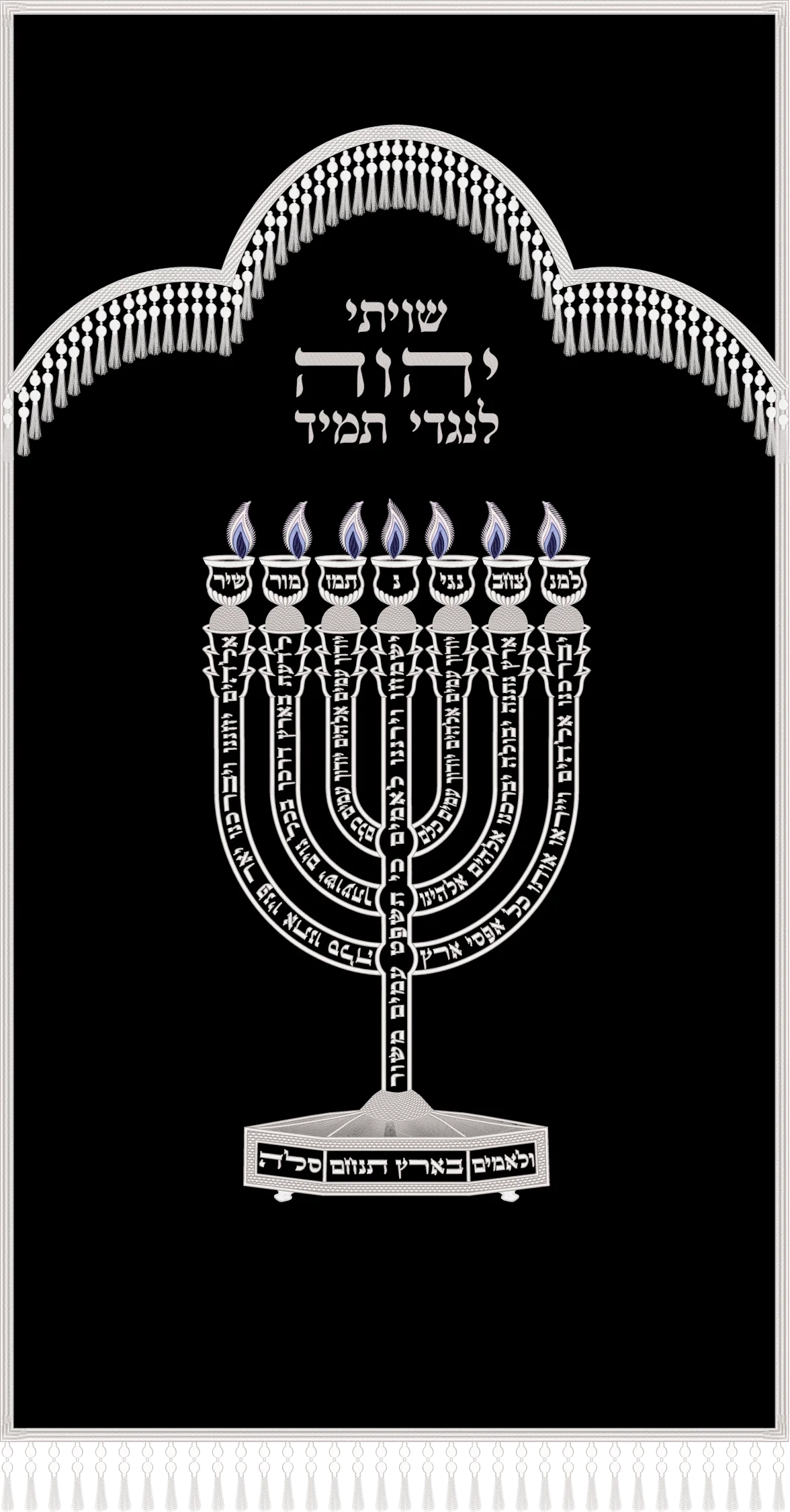
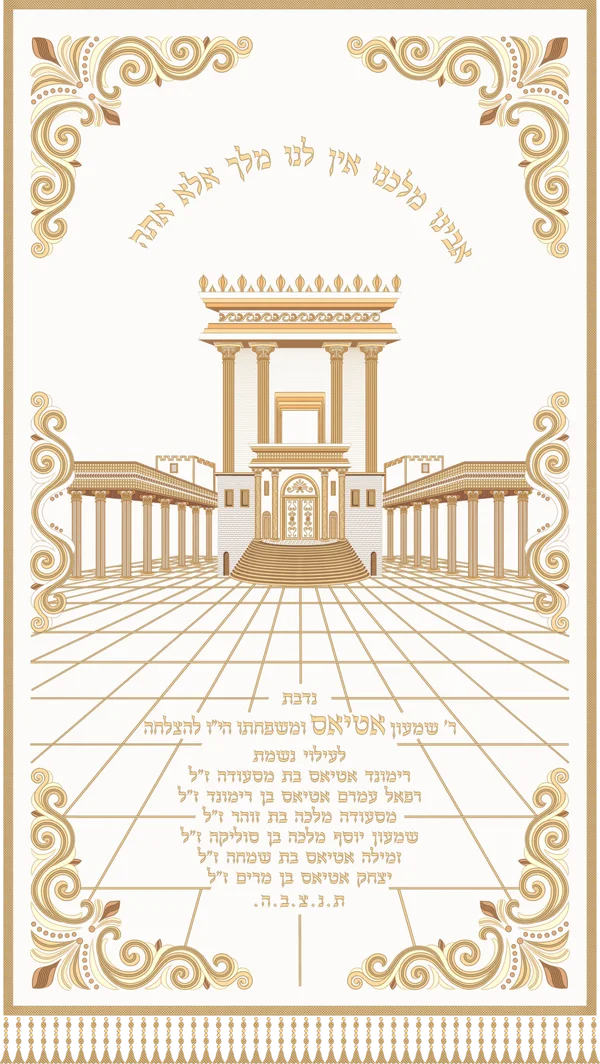
A parochet made for a Jerusalem ark carries extra meaning because the city itself is bound up with the site of the ancient Torah ark's earliest precedent, the Temple. Many congregations choose designs that recall the Temple's menorah, the Tablets of the Law, or the gates of the Old City, tying the curtain's imagery to Jerusalem's unique place in Jewish memory. For a congregation davening within sight of, or even a short walk from, the Temple Mount, a design built around the Temple — such as this Temple-themed parochet — becomes a small but constant reminder of that proximity.
Jerusalem's Many Communities, Many Styles
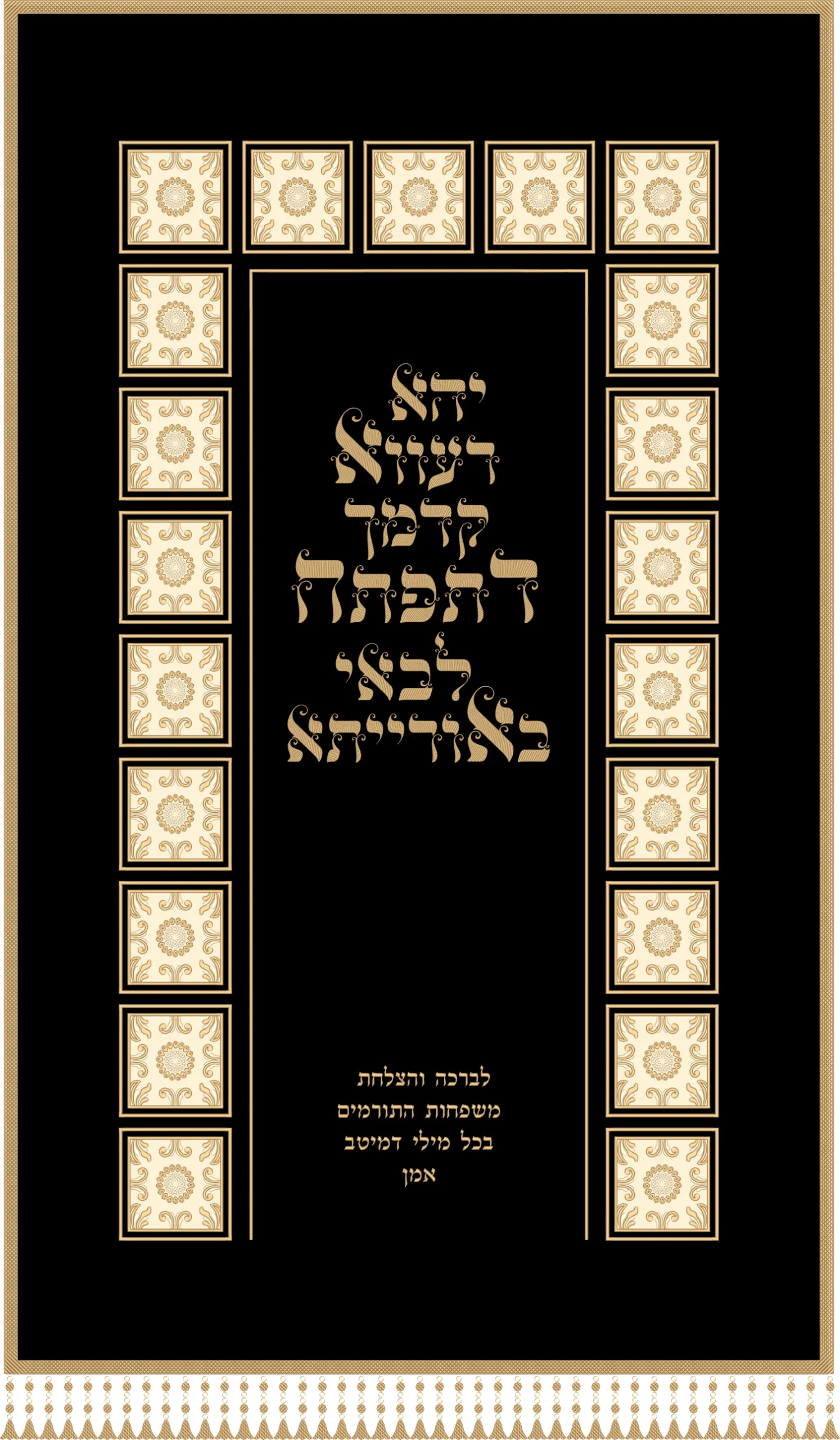
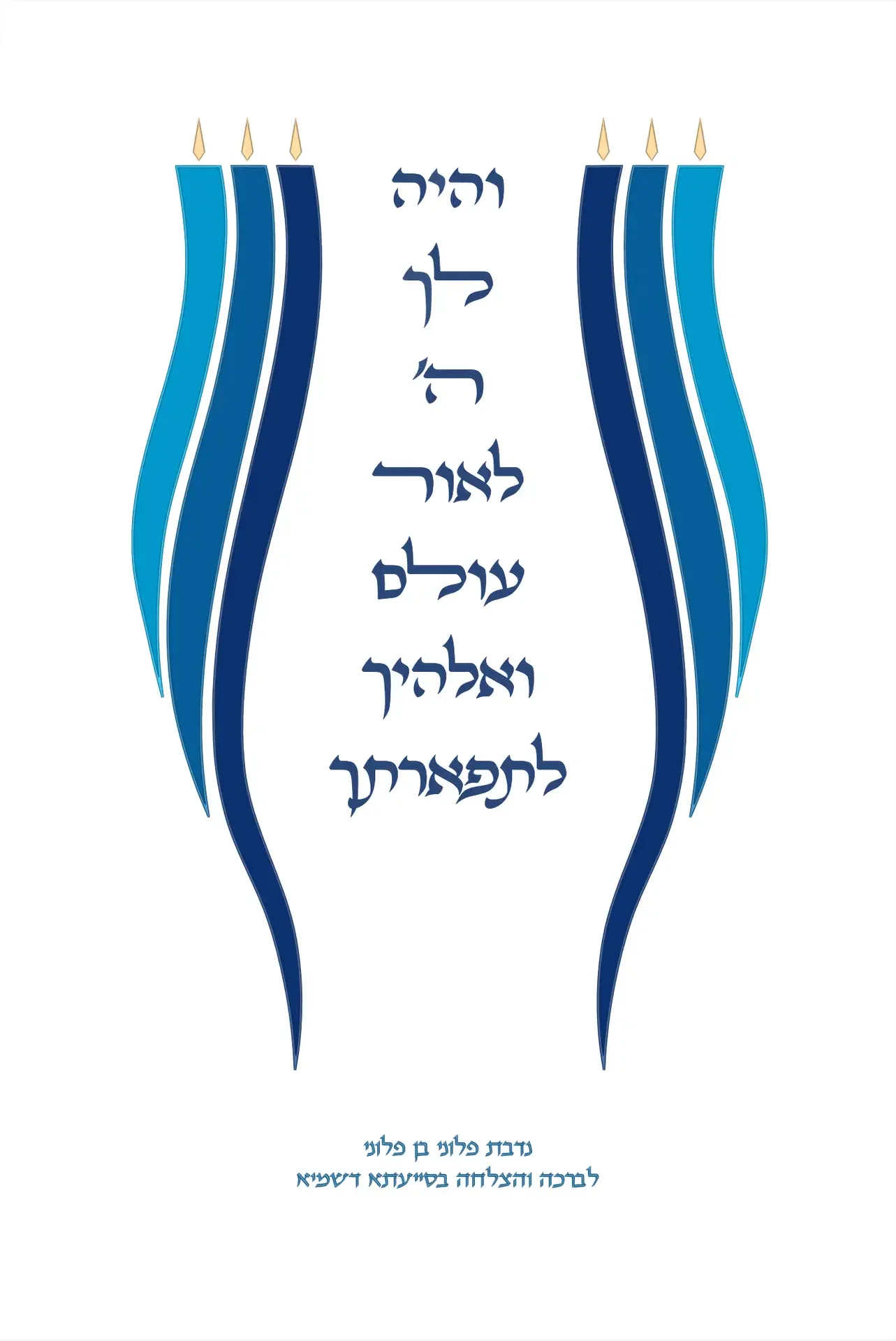
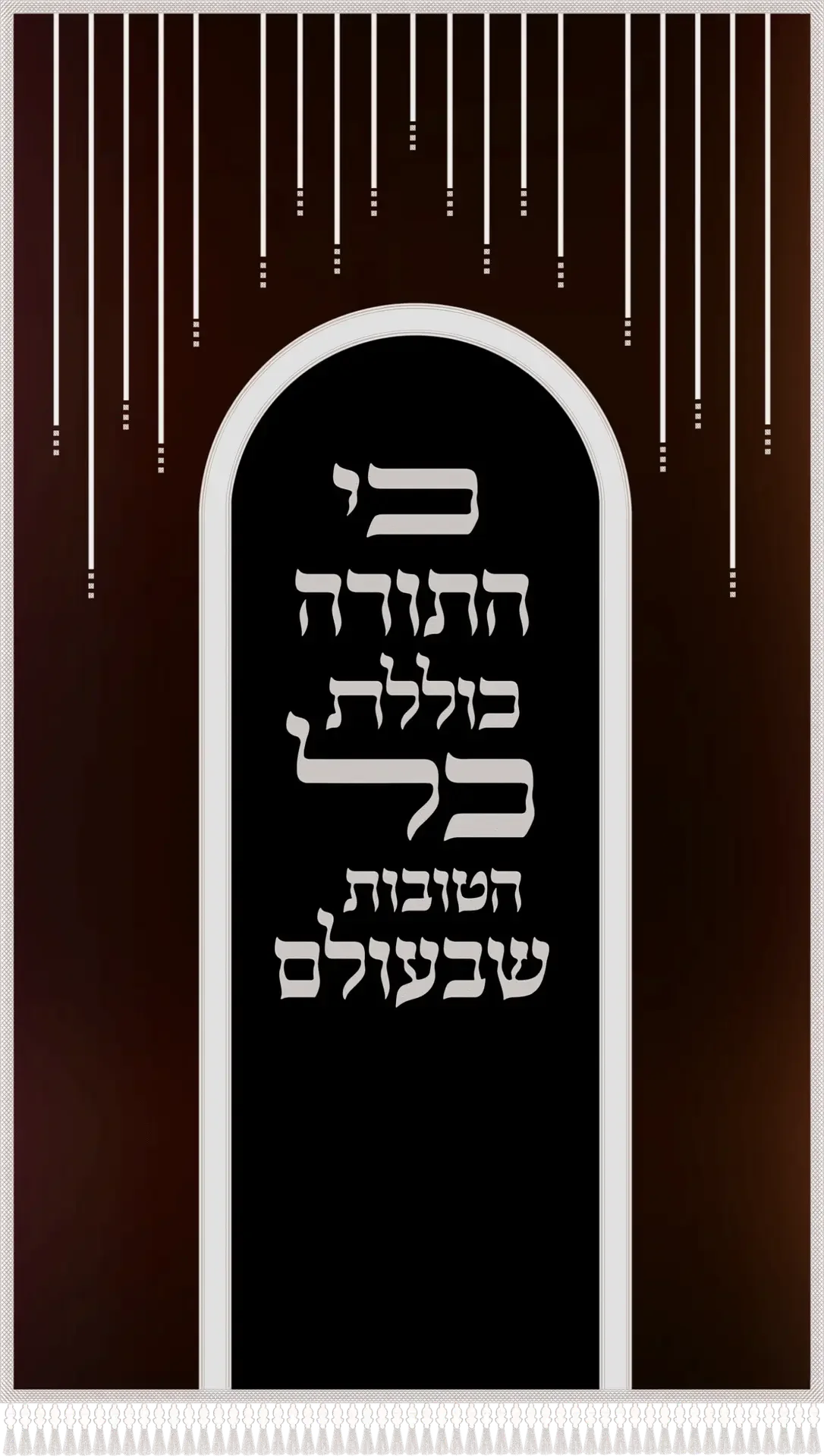
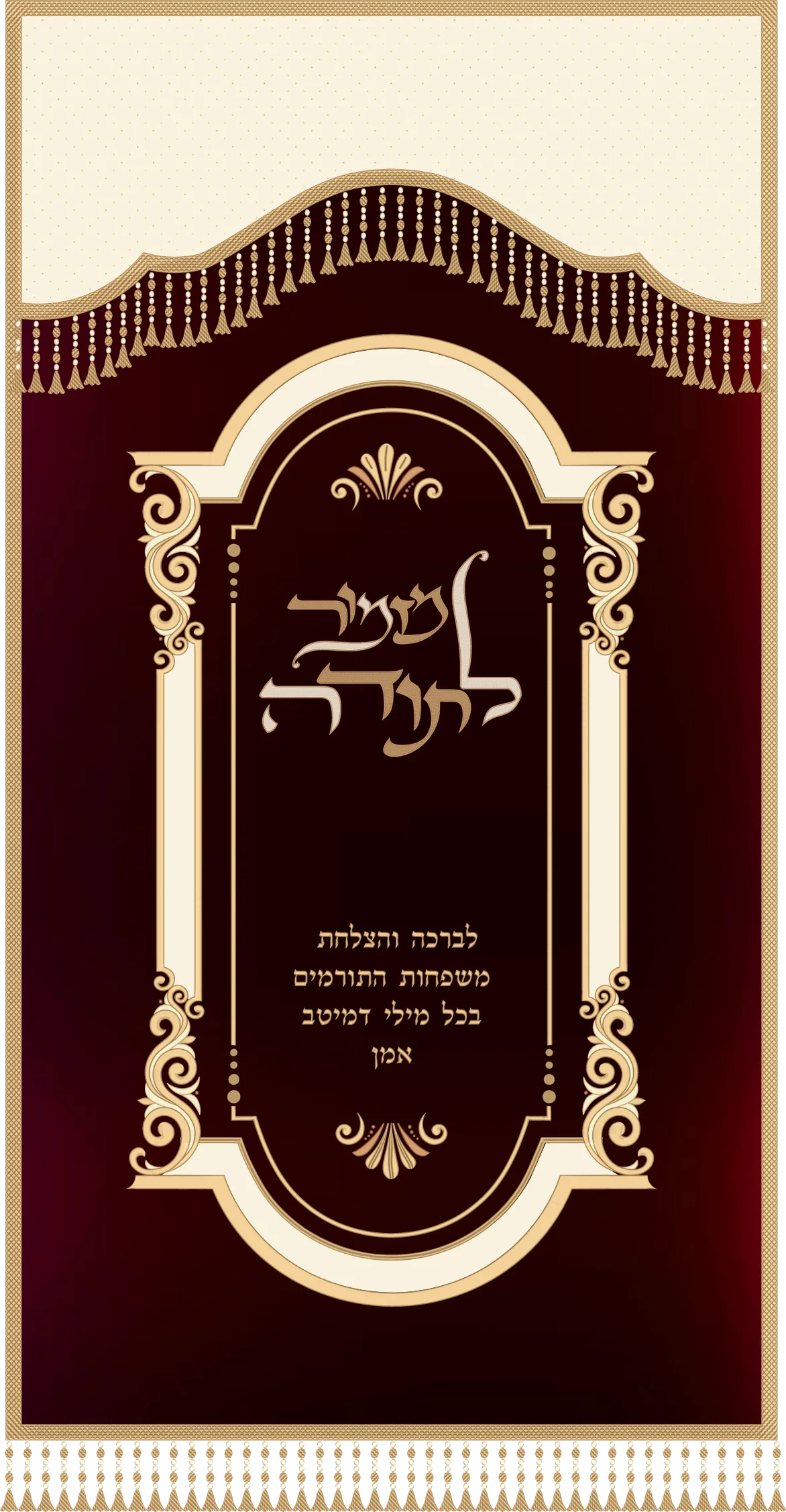
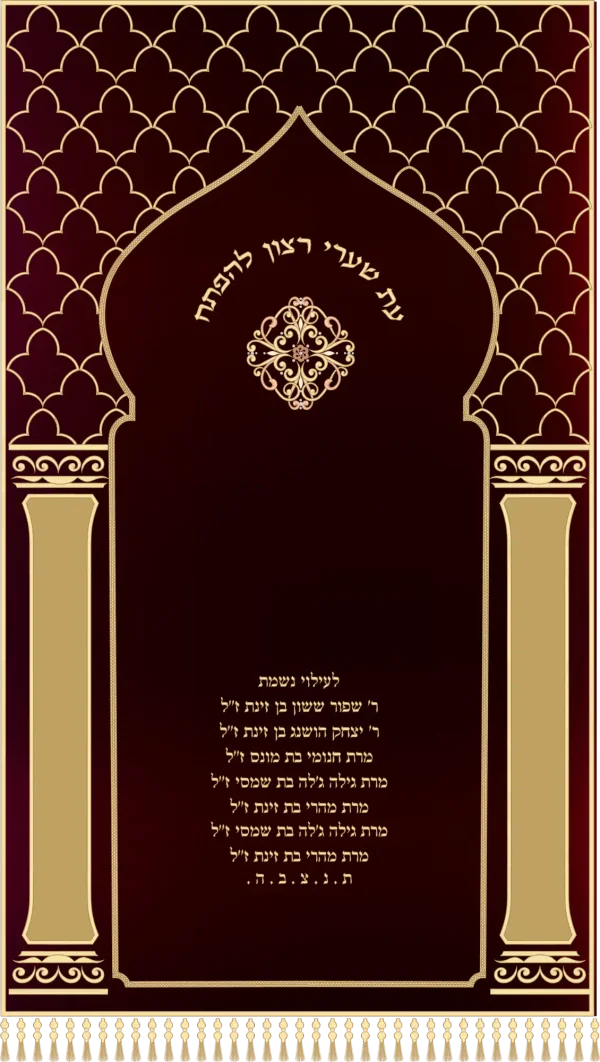
Jerusalem's synagogues are not one style but many, and that diversity shows up directly in how a פרוכת לארון קודש בירושלים is designed. A congregation with Sephardic or Moroccan roots may favor an ornate gateway motif, like this Moroccan-style gate curtain, while an Ashkenazi or Chassidic shul may lean toward classical crowns, lions, or the Tablets of the Law.
- Sephardic communities often favor rich gold or silver embroidery and gateway (sha'ar) motifs.
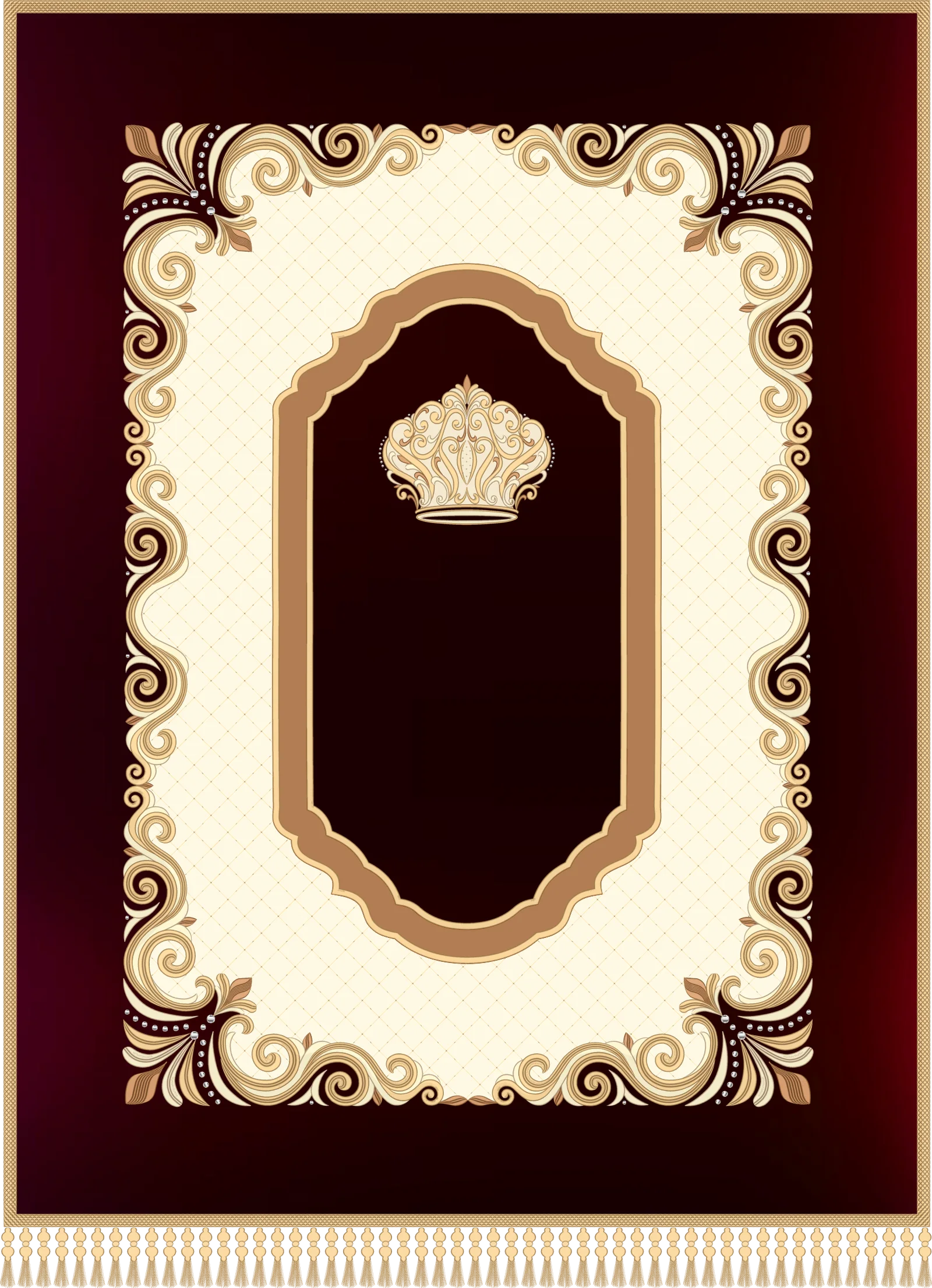
- Ashkenazi and Chassidic congregations frequently choose crowns, lions, or the Tablets of the Law.
- Many synagogues built in recent decades favor Temple-themed imagery regardless of nusach, since the city's connection to the Temple feels especially present.
Materials and Craftsmanship Behind the Curtain
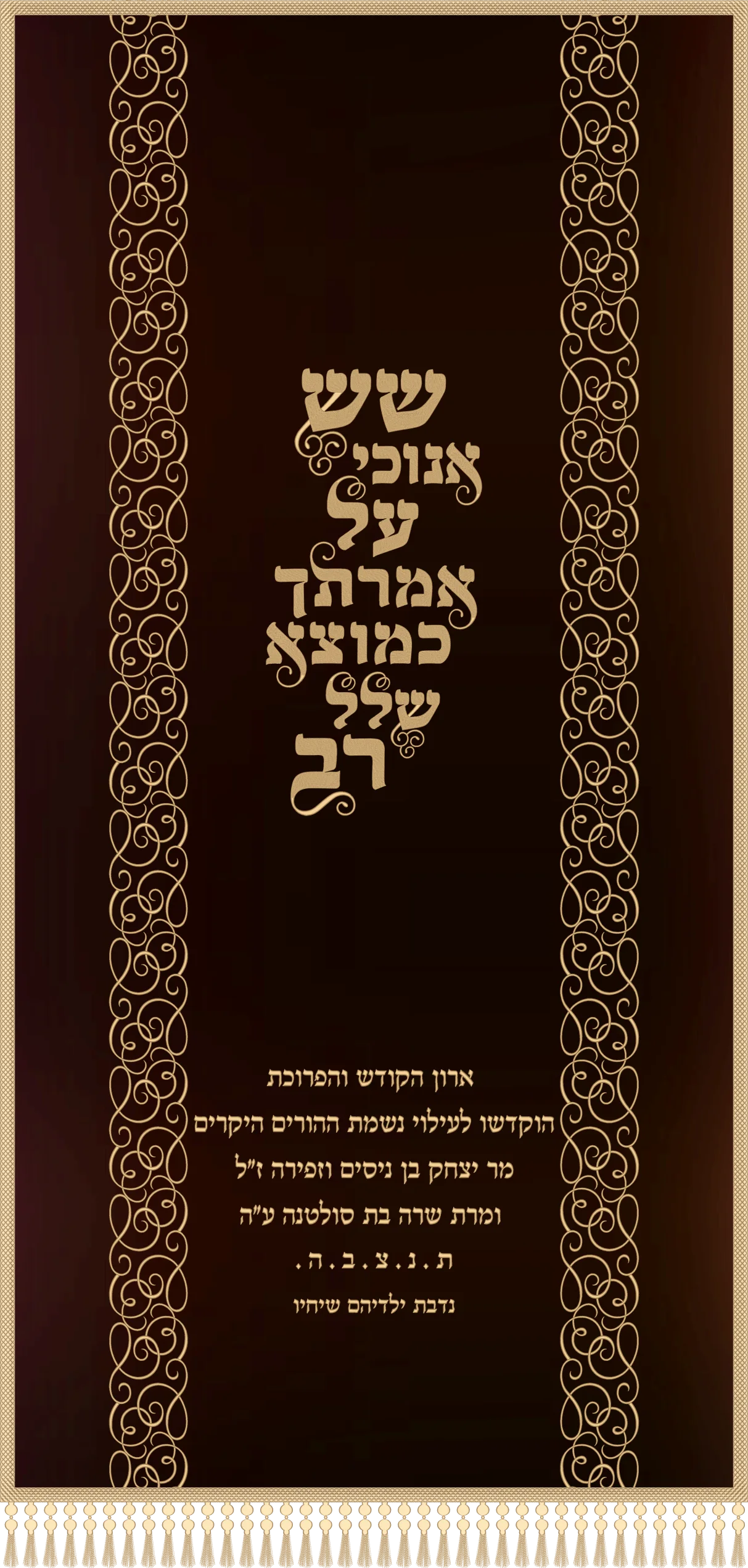
The materials used in a Jerusalem ark curtain are much the same as those used elsewhere, though many congregations in the city specifically request hand embroidery rather than printed or machine-stitched work, to match the craftsmanship found in older, established synagogues nearby. Hichala (היכלא) is one of the workshops that hand-embroiders these curtains, stitching each motif rather than reproducing it mechanically. This attention to detail matters because a parochet is rarely replaced once it is dedicated, and a hand-embroidered piece tends to hold its color and shape through decades of use near the Old City's many synagogues.
| Style | Typical Motif | Common Base Fabric |
|---|---|---|
| Temple-themed | Menorah, Temple facade | Velvet |
| Gateway (sha'ar) | Arched gate, columns | Velvet or brocade |
| Tablets of the Law | Ten Commandments, crown | Velvet |
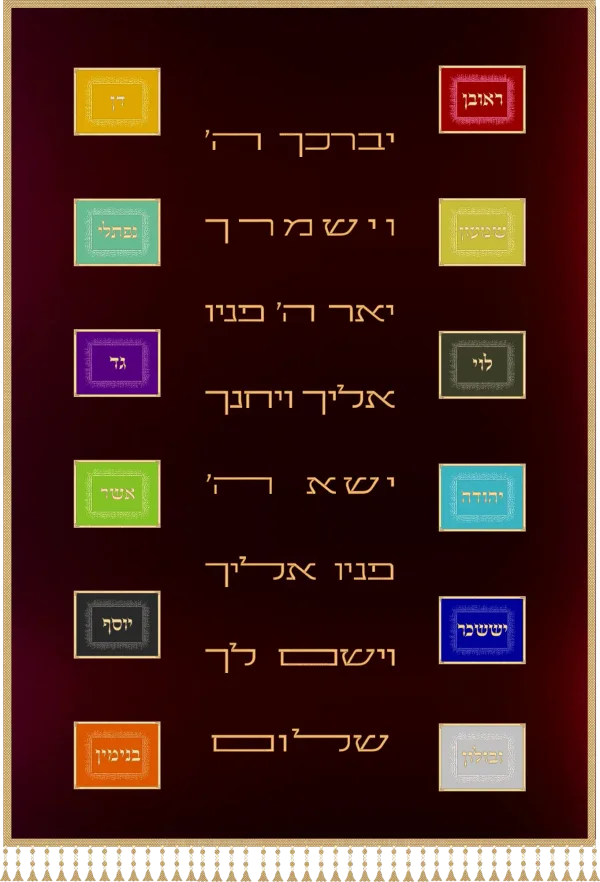
| Twelve Tribes | Tribal emblems, menorah | Velvet |
Choosing the Right Curtain for Your Synagogue
Choosing a פרוכת לארון קודש בירושלים starts with agreeing, as a community, on what the design should say before looking at fabric samples or embroidery styles. A few practical steps make that process easier:
- Decide whether the design should echo your community's nusach or focus on universal Jerusalem imagery like the Temple.
- Measure the ark opening carefully, since a parochet is typically made to the exact dimensions of the ark it will cover.
- Choose a base fabric and embroidery style that will hold up well to years of opening and closing.
- Decide whether the curtain will carry a dedication, a common way for a family to honor a loved one's memory.
Looking through our gallery of parochot before deciding can help a building committee agree on a direction, since seeing finished examples side by side often clarifies preferences faster than describing them in words.
Frequently Asked Questions
Is commissioning an ark curtain required, or is it a custom?
Covering the ark with a curtain is a widespread and long-standing custom honoring the Torah, rather than a specific obligation spelled out identically for every synagogue; the emphasis and style can vary by community.
What makes a פרוכת לארון קודש בירושלים different from one made elsewhere?
The design is usually the same craft, but Jerusalem congregations often lean toward Temple-related imagery or motifs tied to their specific community's nusach, given the city's unique religious significance.
What's the difference between a parochet and a me'il?
A parochet is the curtain hung on or inside the ark itself, while a me'il is the mantle that covers an individual Torah scroll; both are commonly hand-embroidered but serve different sacred objects.
Conclusion
A well-chosen פרוכת לארון קודש בירושלים does more than decorate an ark — it reflects a community's heritage and its connection to the city surrounding it. Whether a congregation leans toward Temple imagery, a gateway motif, or classical symbols like the Tablets of the Law, taking time to match the design to the community pays off for generations of worshippers who will stand before that curtain.
עוד מהעולם של ארגמן
פרוכות לארון קודש
Parochet Shvatim (פרוכת שבטים): The Ark Curtain That Unites the Twelve Tribes of Israel
פרוכת שבטים curtains embroider the Twelve Tribes of Israel, bringing unity, heritage, and beauty to the synagogue's aron kodesh.
פרוכות לארון קודש
Parochet LeChagim (פרוכת לחגים): The Tradition of Festival Ark Curtains
A look at the parochet lechagim tradition - festival ark curtains that mark the Jewish holidays with fitting color and design.
פרוכות לארון קודש
Parochet Dugma Beit HaMikdash (פרוכת דגם בית המקדש): A Guide to the Temple-Pattern Ark Curtain
Discover what a פרוכת דגם בית המקדש is, the Temple motifs it features, and how to choose the right design for your Aron Kodesh.