פרוכות לארון קודש
Parochet LeChagim (פרוכת לחגים): The Tradition of Festival Ark Curtains
A look at the parochet lechagim tradition - festival ark curtains that mark the Jewish holidays with fitting color and design.
מערכת ארגמן · 17 בנובמבר 2026 · 4 דק׳ קריאה
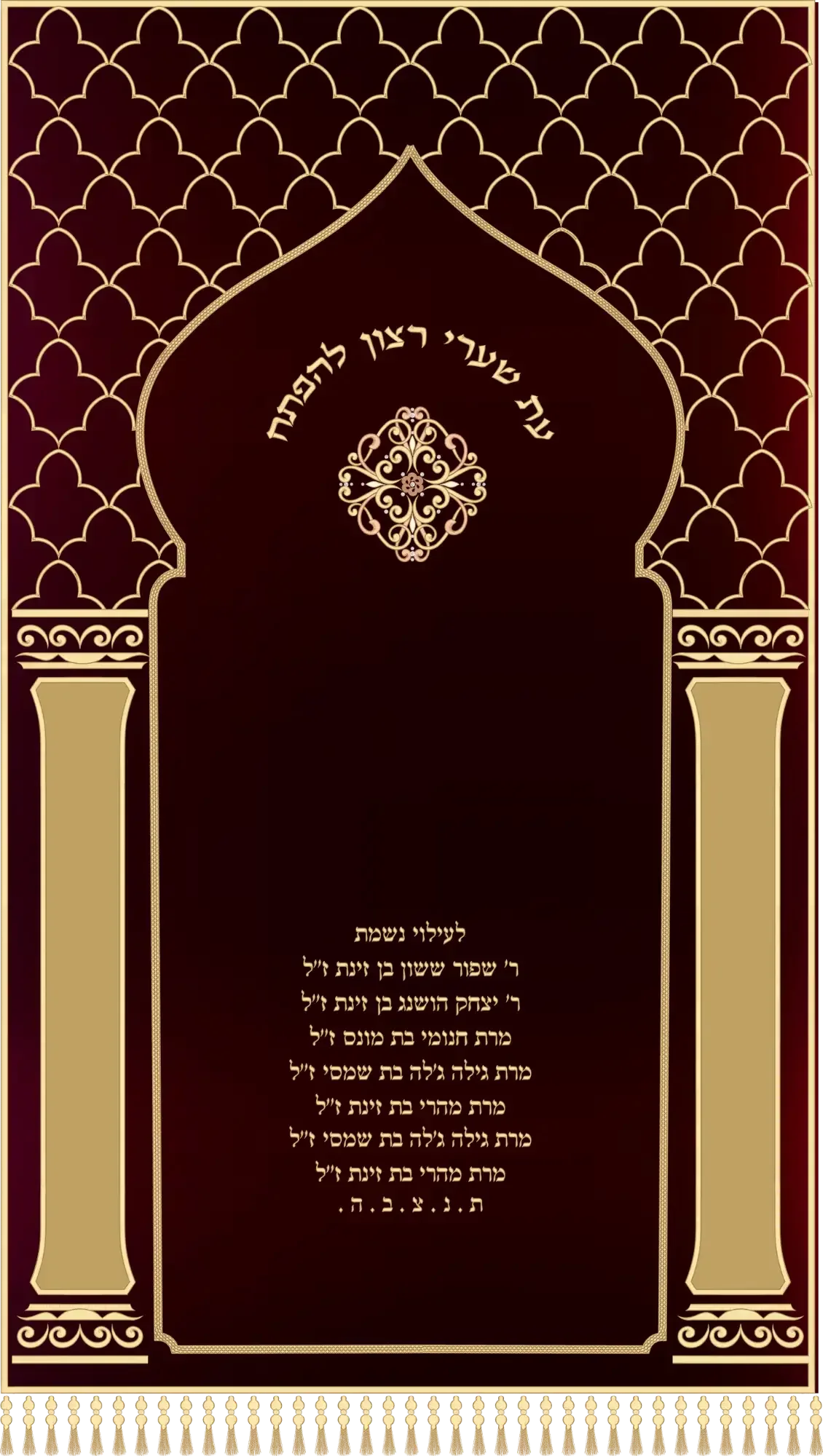
A parochet lechagim (פרוכת לחגים) is an ark curtain reserved for, or specially designed around, the Jewish festival calendar – a curtain many congregations hang before Rosh Hashanah, Sukkot, Passover, or the other pilgrimage holidays to mark the shift in the synagogue's season. Beyond decoration, it tells everyone who walks into the room that something different, and holier, is unfolding. For many communities, choosing the right curtain for the festivals is as meaningful as choosing the melodies or machzorim for the season.
In Brief
- A parochet lechagim is an ark curtain used specifically during Jewish festivals, often replacing the synagogue's everyday curtain for the duration of the holiday.
- Many congregations favor particular colors or motifs, such as white for the Days of Awe or shofar and harvest imagery for Rosh Hashanah and Sukkot, to visually echo the themes of the season.
- The custom of changing the ark curtain for holidays grows out of the broader Jewish practice of adorning the synagogue differently to mark sacred time.
- A festival curtain can be ordered as a single piece that suits several holidays at once, such as the Three Pilgrimage Festivals, or as individual designs for each occasion.
Understanding the פרוכת לחגים Tradition
A פרוכת לחגים is, at its core, a way of giving the ark curtain – and the synagogue around it – a seasonal voice. Throughout the Jewish year, the Jewish holidays each carry their own mood: the awe of Rosh Hashanah and Yom Kippur, the joy of Sukkot and Simchat Torah, the freedom of Passover. A curtain that stays the same all year can feel like it belongs to every one of those moods equally, or to none of them in particular. Swapping in a holiday-specific parochet gives the ark a visual language that matches the prayers being said in front of it.
Why Communities Change the Ark Curtain for the Holidays
Communities change their parochet for the holidays because the physical space of the synagogue is meant to reflect the spiritual tenor of the day. This is part of a long-standing custom of hiddur mitzvah – beautifying and honoring a sacred object beyond its minimum requirement – applied to everything from the Torah scroll's mantle to the curtain in front of the ark. A few common patterns have emerged across congregations:
| Holiday | Common Motif | General Mood |
|---|---|---|
| Rosh Hashanah | Shofar, judgment-themed imagery | Awe, renewal |
| Yom Kippur | White tones, simple lines | Purity, solemnity |
| Sukkot | Harvest and Temple-themed designs | Joy, gratitude |
| Three Pilgrimage Festivals | Shared symbols across Pesach, Shavuot, Sukkot | Celebration, unity |
This table reflects general custom rather than fixed law, and practices vary from one community to another – which is exactly why so many synagogues end up with more than one parochet lechagim in their collection.
Choosing a Parochet LeChagim for Your Community
When a committee sets out to choose a פרוכת לחגים, it helps to think through the decision in stages rather than all at once:
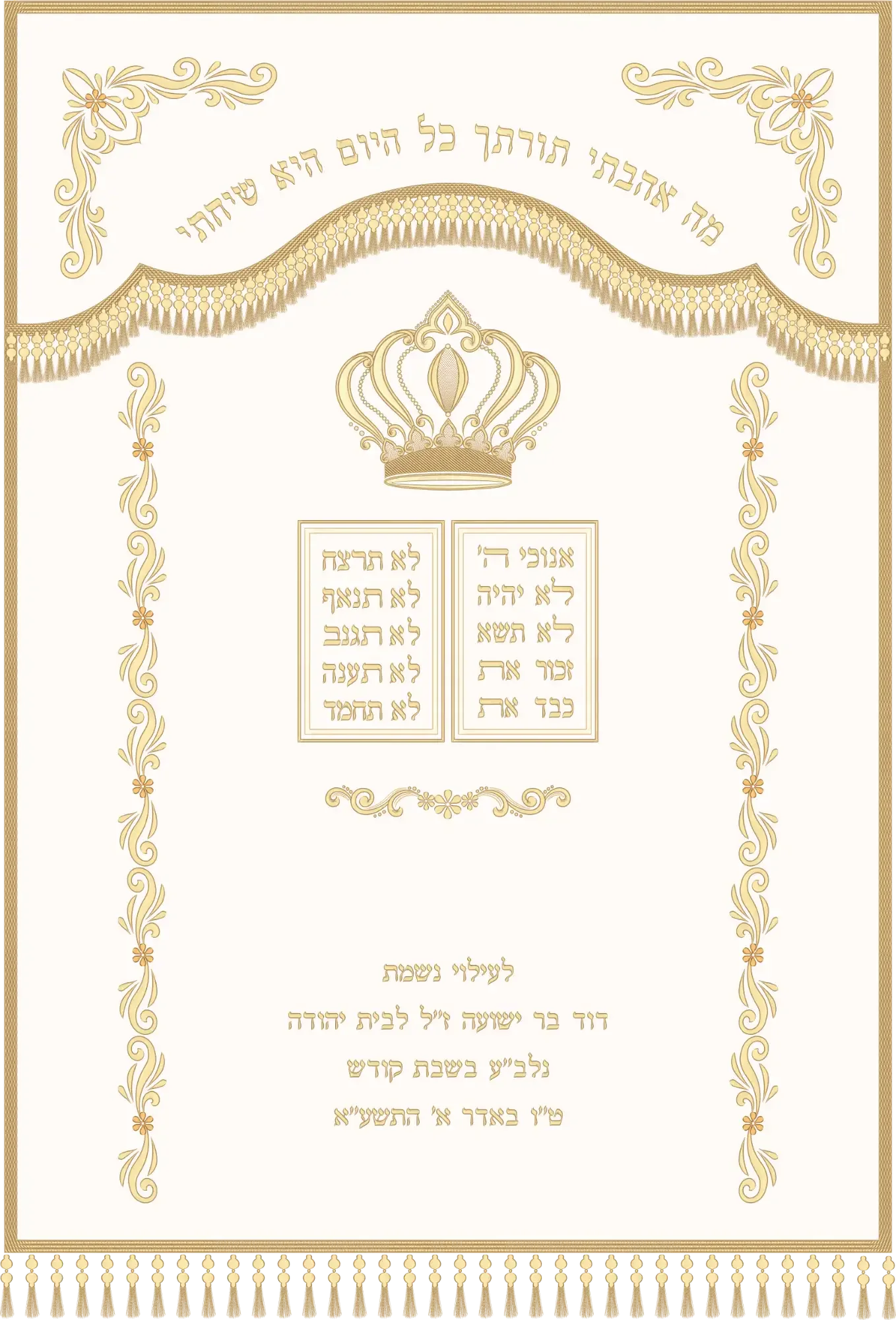
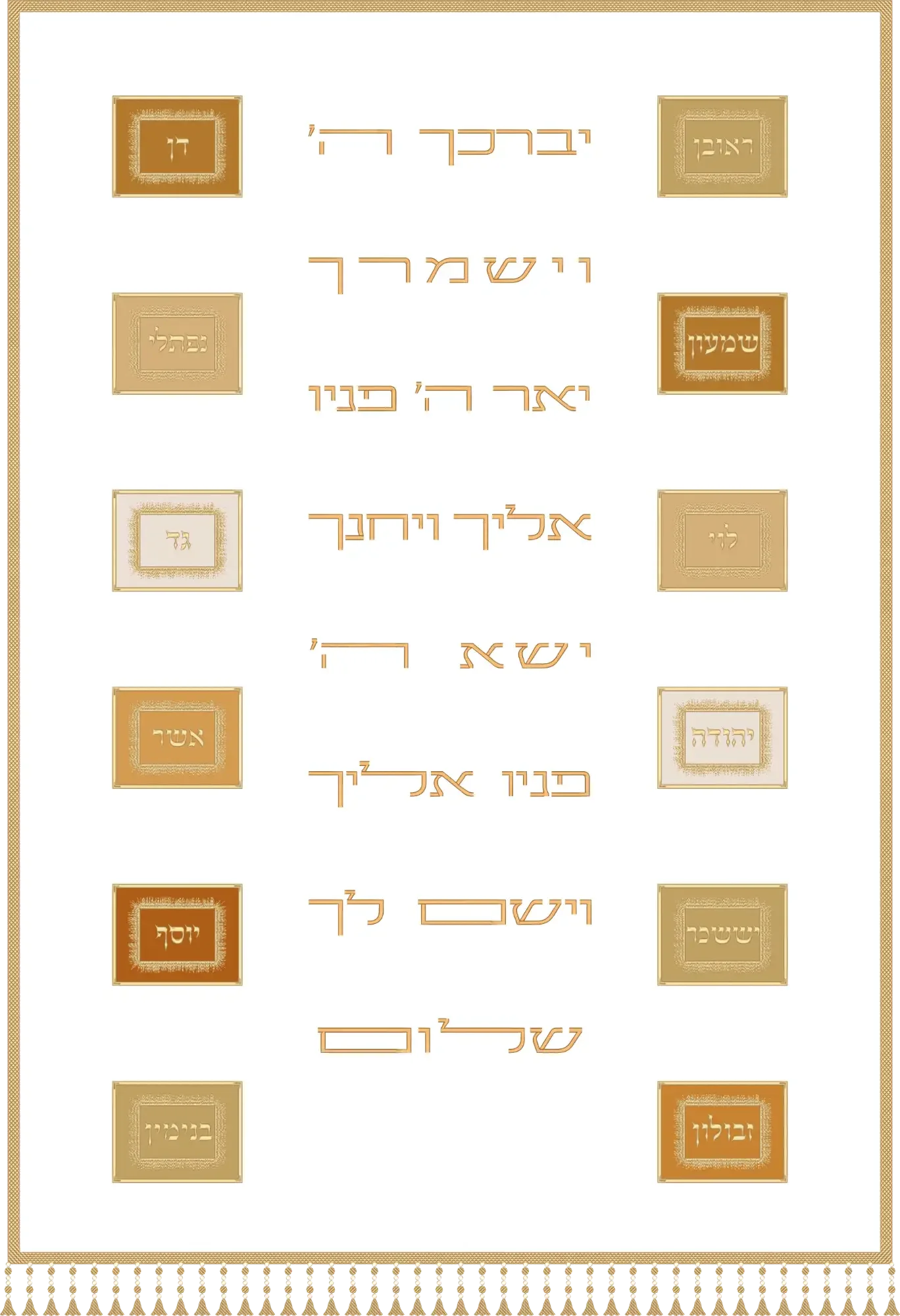
- Decide whether you need a single curtain that works across several holidays, such as this Three Pilgrimage Festivals parochet, or a dedicated piece for each occasion.
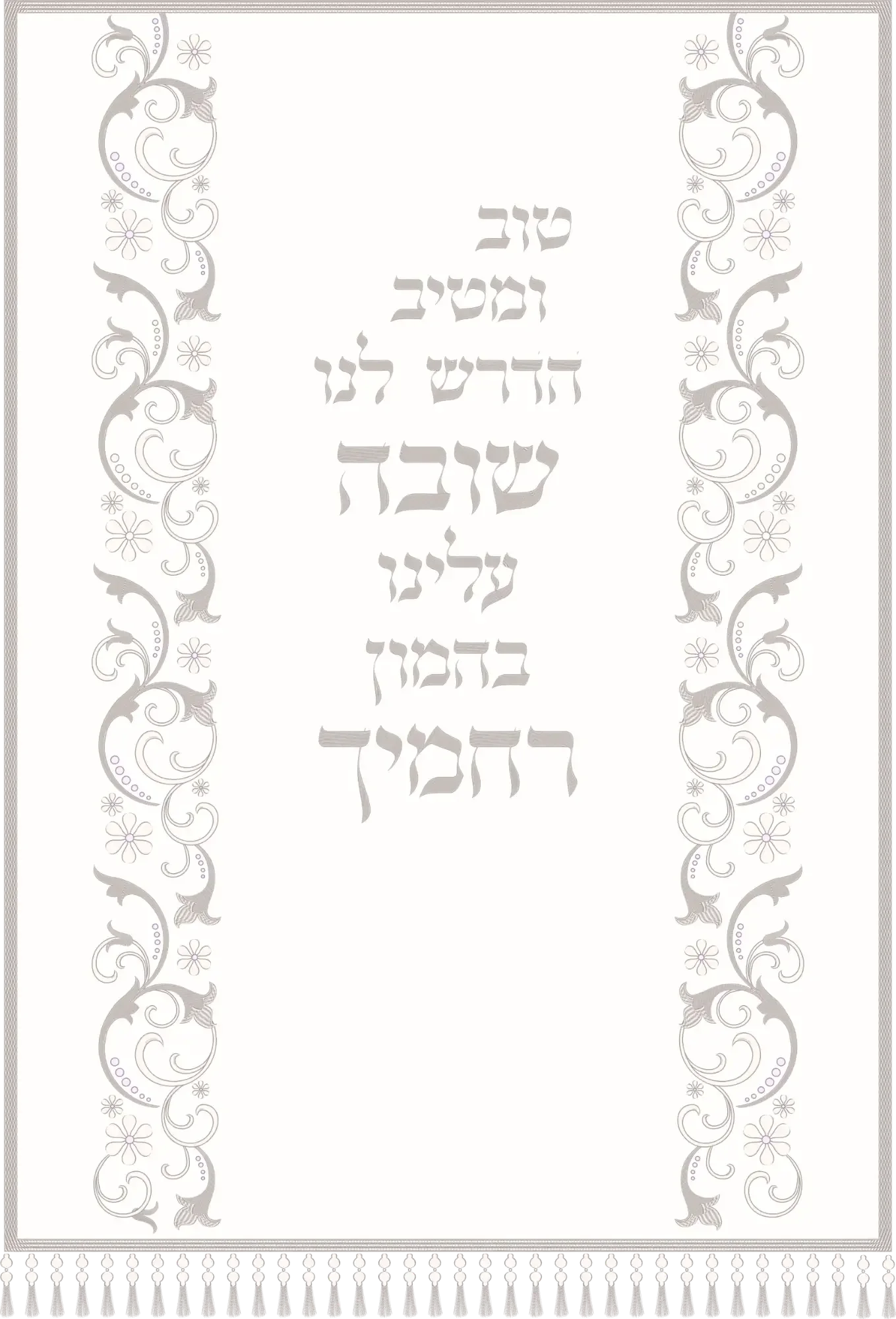
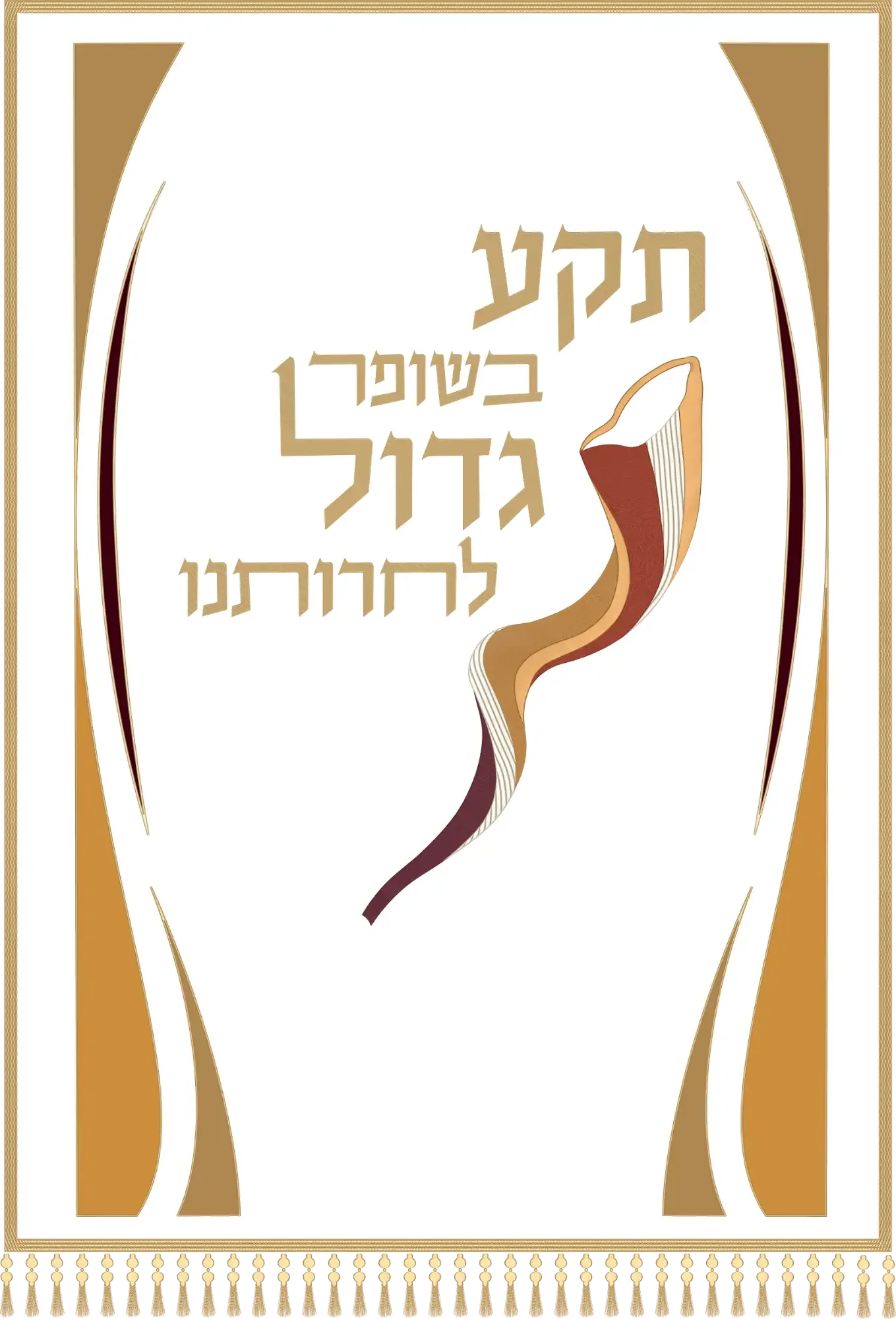
- Think about which imagery will feel meaningful to your congregation – for Rosh Hashanah, many communities are drawn to shofar designs like this shofar parochet set against broken sounds.
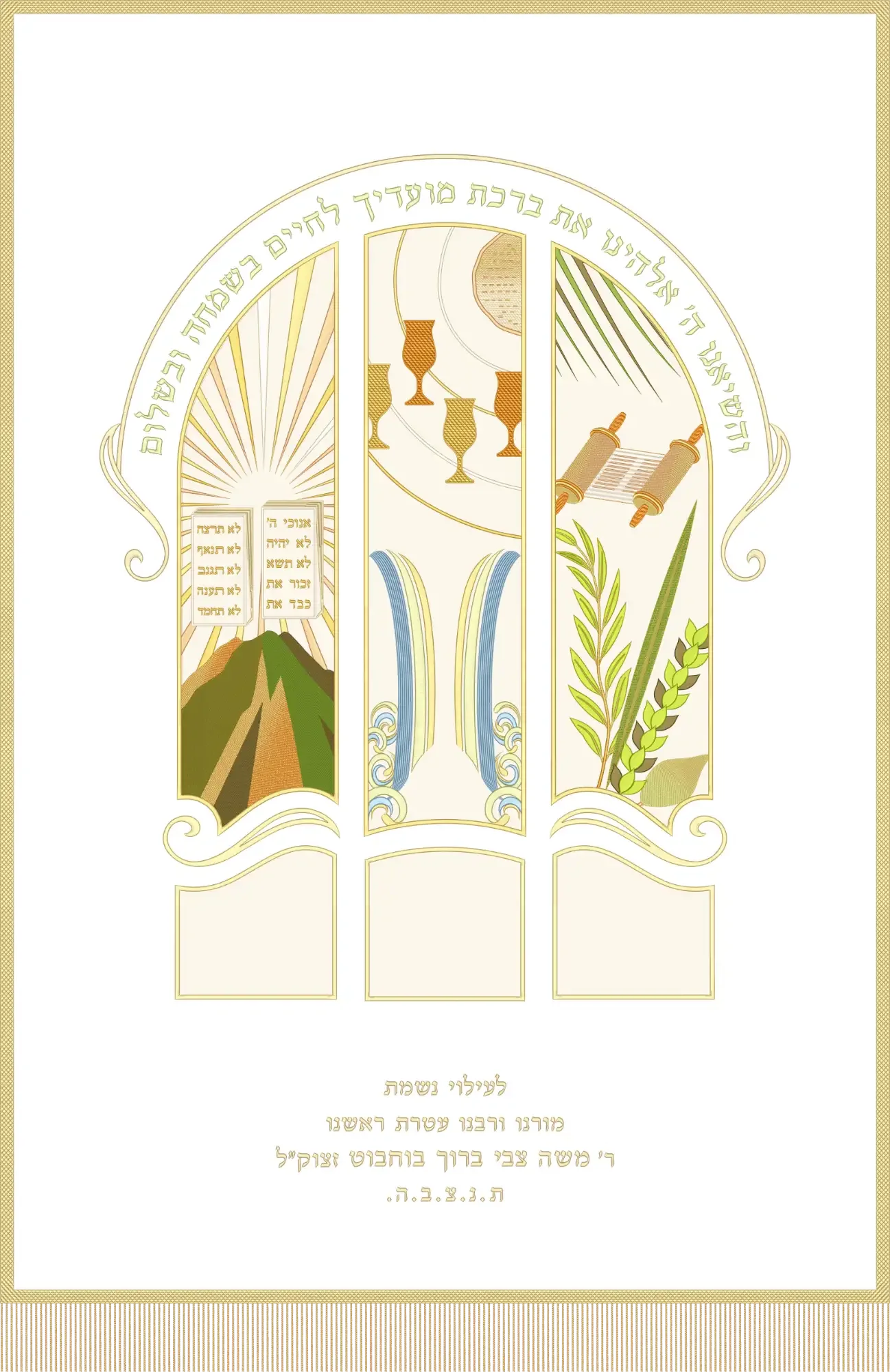
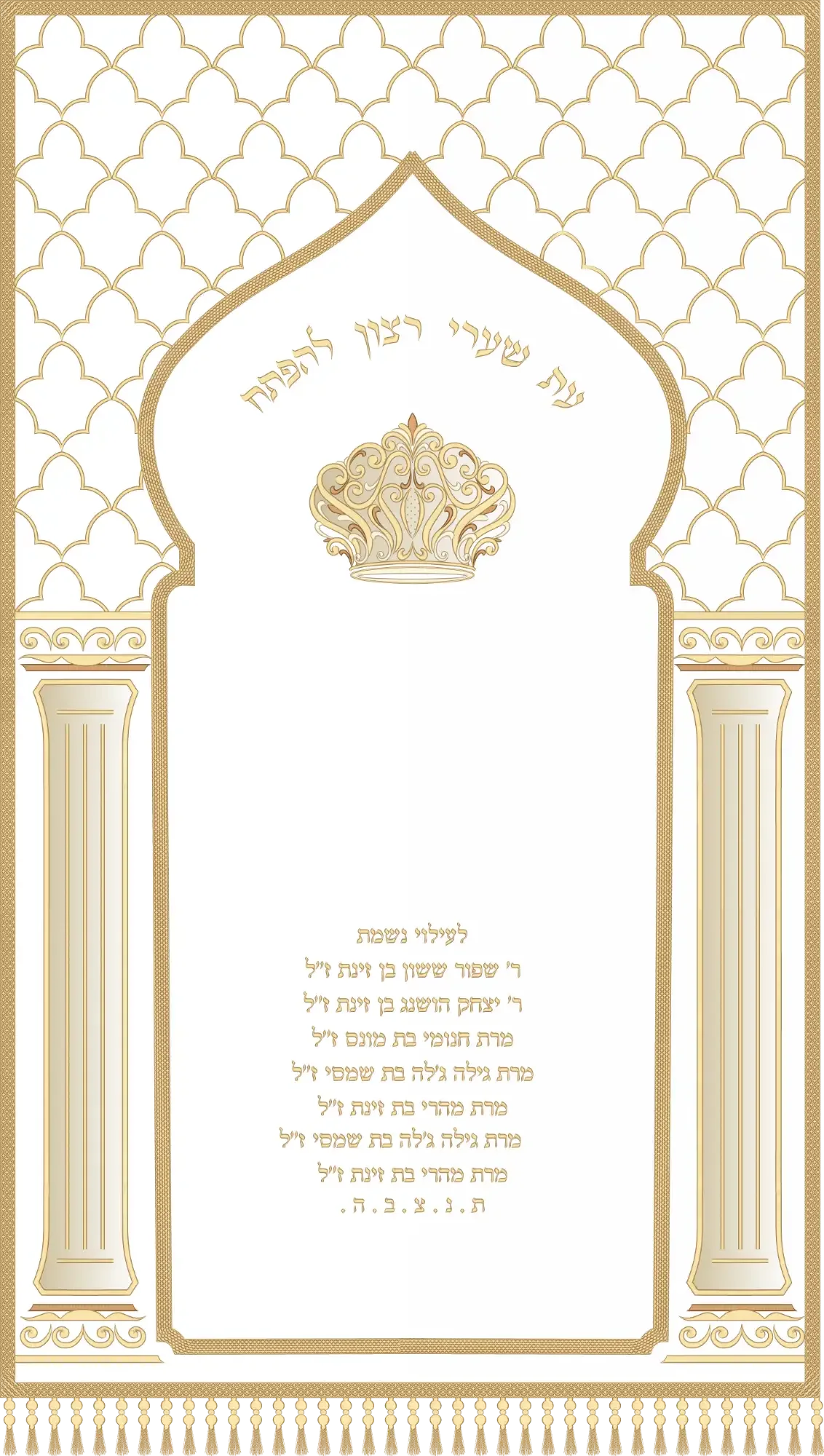
- Consider a curtain built specifically for the festival season as a whole, like this holiday gate parochet, which can anchor the ark through the entire Tishrei season.
- Browse a range of hand-embroidered options before deciding, including our gallery of parochot, to get a sense of scale, color, and detail in finished work.
- Confirm measurements and installation details with your synagogue's gabbai or building committee before placing an order.
At Hichala (היכלא), hand embroidery allows each festival curtain to carry its own detail – a shofar's curve, a sheaf of wheat, the outline of a gate – so the ark itself seems to greet the holiday as the congregation does.
Frequently Asked Questions
What is a פרוכת לחגים?
It is an ark curtain made or set aside specifically for use during Jewish festivals, often featuring imagery or colors tied to the holiday's themes.
Can one curtain serve for multiple holidays?
Yes – many congregations choose a single festival curtain built around a shared theme, such as the Three Pilgrimage Festivals, rather than ordering a separate one for each holiday.
Is a particular color required for a festival ark curtain?
There is no single requirement; white is a widespread custom during the Days of Awe, while other holidays are often marked through imagery rather than color alone, and practices differ between communities.
Whether a congregation keeps one all-purpose festival piece or builds a small collection, a well-chosen parochet lechagim gives the ark a way of marking time along with the people praying in front of it – a quiet, visual echo of the holiday itself.
עוד מהעולם של ארגמן
פרוכות לארון קודש
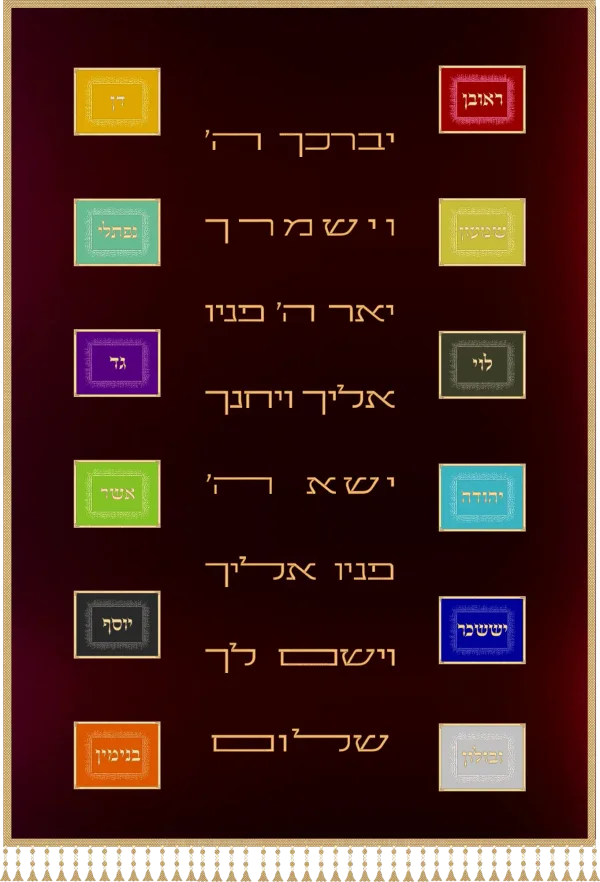
Parochet Shvatim (פרוכת שבטים): The Ark Curtain That Unites the Twelve Tribes of Israel
פרוכת שבטים curtains embroider the Twelve Tribes of Israel, bringing unity, heritage, and beauty to the synagogue's aron kodesh.
פרוכות לארון קודש
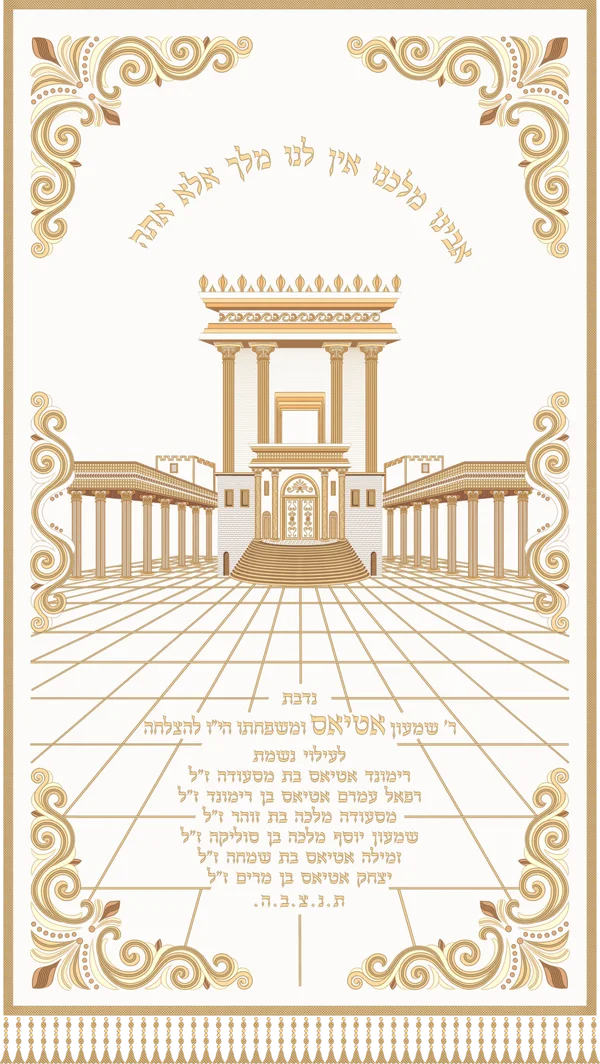
Parochet Dugma Beit HaMikdash (פרוכת דגם בית המקדש): A Guide to the Temple-Pattern Ark Curtain
Discover what a פרוכת דגם בית המקדש is, the Temple motifs it features, and how to choose the right design for your Aron Kodesh.
פרוכות לארון קודש
Parochet Beit HaMikdash (פרוכת בית המקדש): The Ark Curtain That Evokes the Holy Temple
Discover what a parochet beit hamikdash depicts, why congregations choose it, and how to pick the right Temple-themed ark curtain.